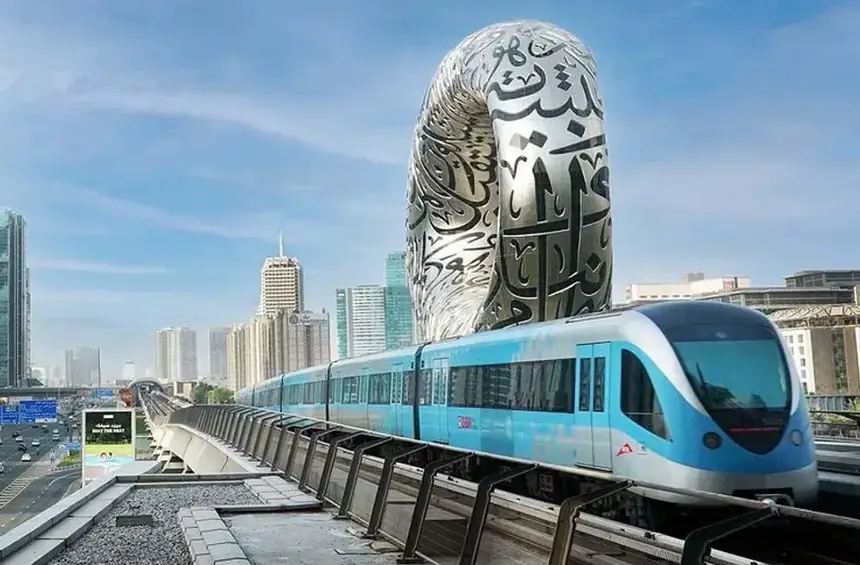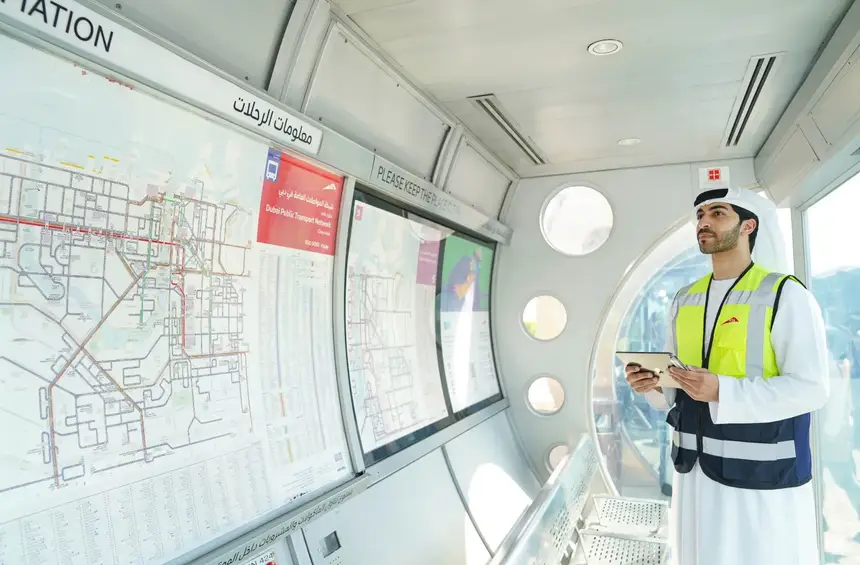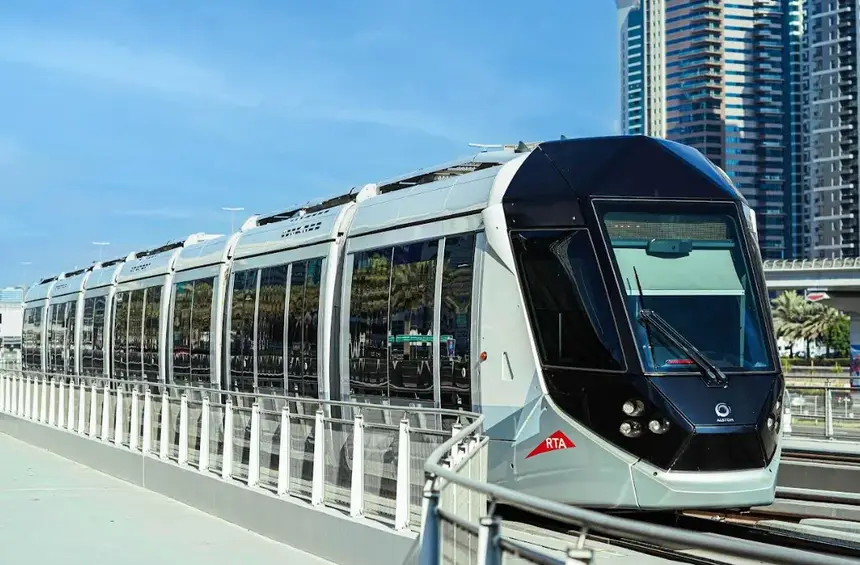

Dubai,TNM: Dubai has unveiled the architectural vision for its upcoming 30-kilometre Metro Blue Line, a transformative transport project set to redefine urban mobility across nine major districts while supporting the emirate’s long-term smart city and sustainability ambitions.
The new line, announced by the Roads and Transport Authority (RTA), will feature architecturally distinctive stations, including the world’s tallest metro station and Dubai Metro’s largest underground interchange hub.
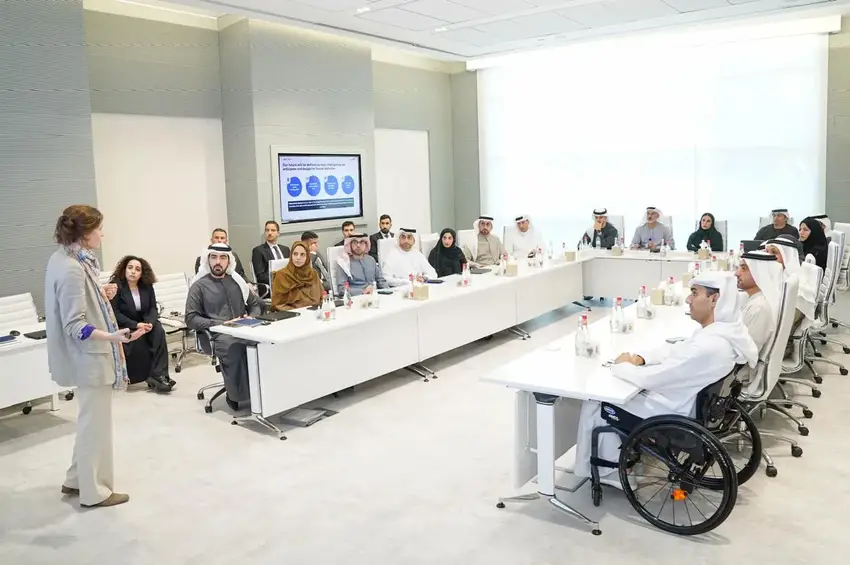
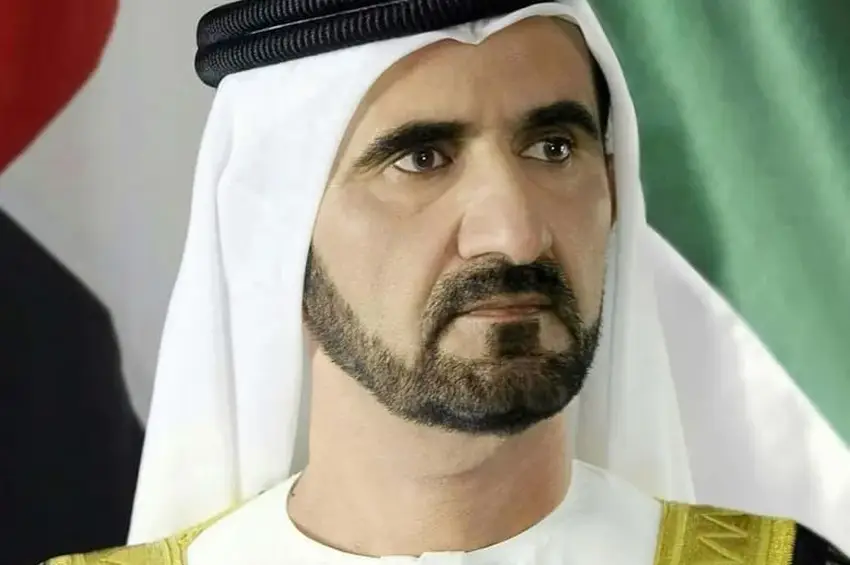
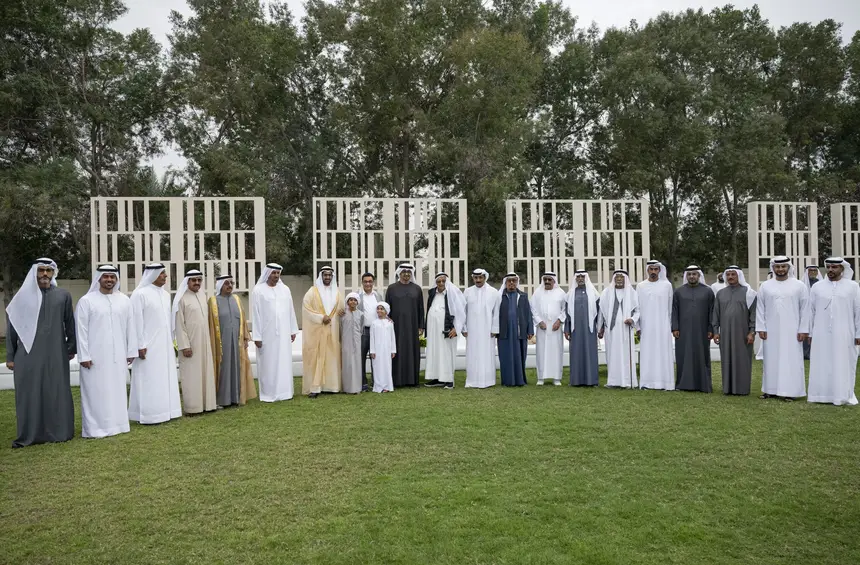
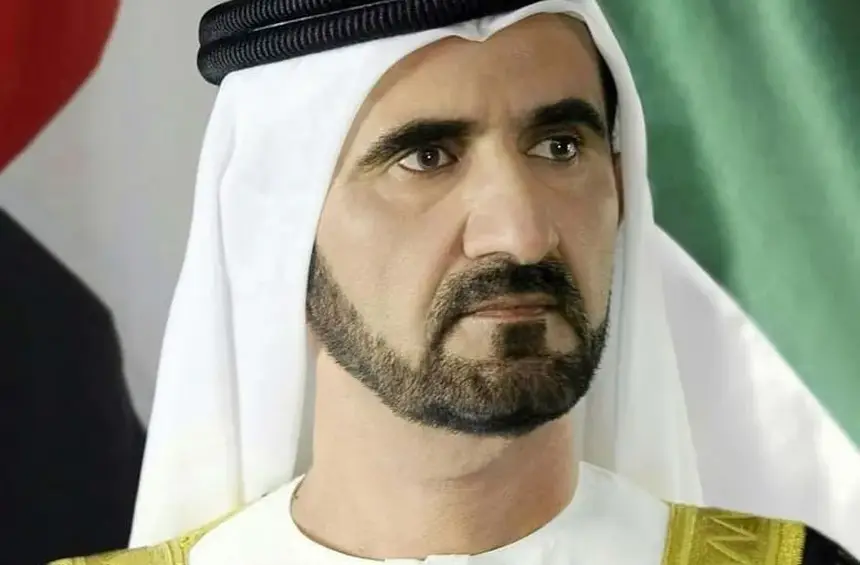
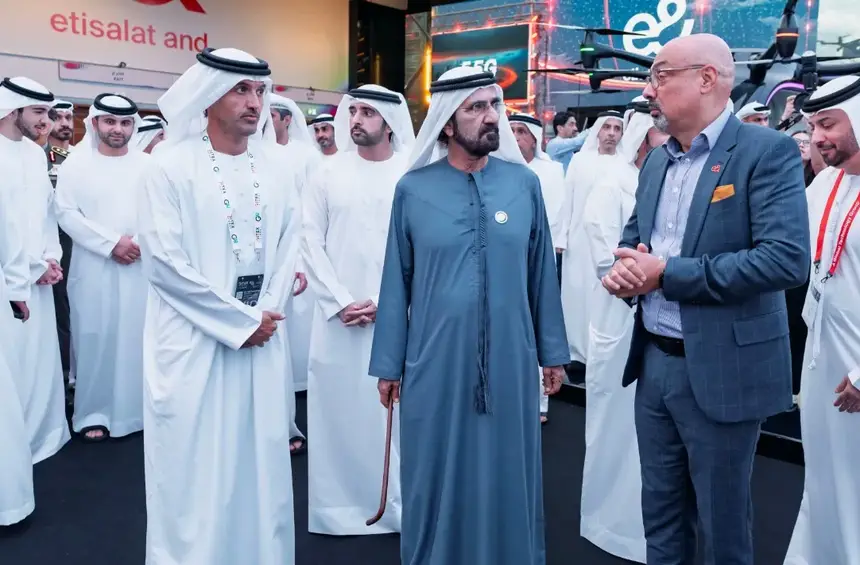
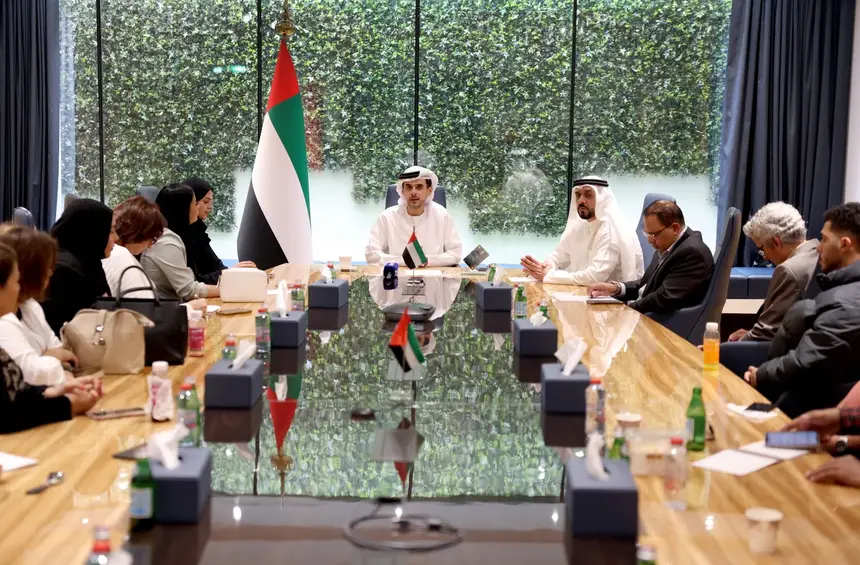
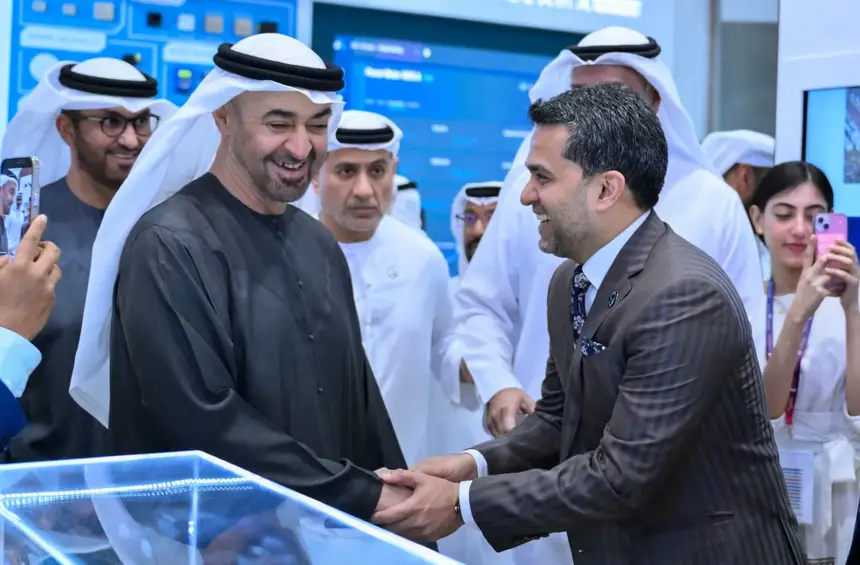
His Highness Sheikh Mohammed bin Rashid Al Maktoum recently reviewed the station designs, which combine futuristic aesthetics with advanced functionality to serve Dubai’s rapidly growing residential, educational and technology-focused communities.
Largest Underground Interchange Station
One of the most significant highlights of the project is the massive underground interchange station at Dubai International City 1.
Spanning more than 44,000 square metres, the station is set to become the largest underground interchange station in the Dubai Metro network. It is designed to accommodate up to 350,000 passengers daily and will serve as the key transfer point between the two branches of the Blue Line.
The station has been engineered to improve passenger flow, minimise congestion and provide seamless connectivity across eastern and northern Dubai.
World’s Tallest Metro Station
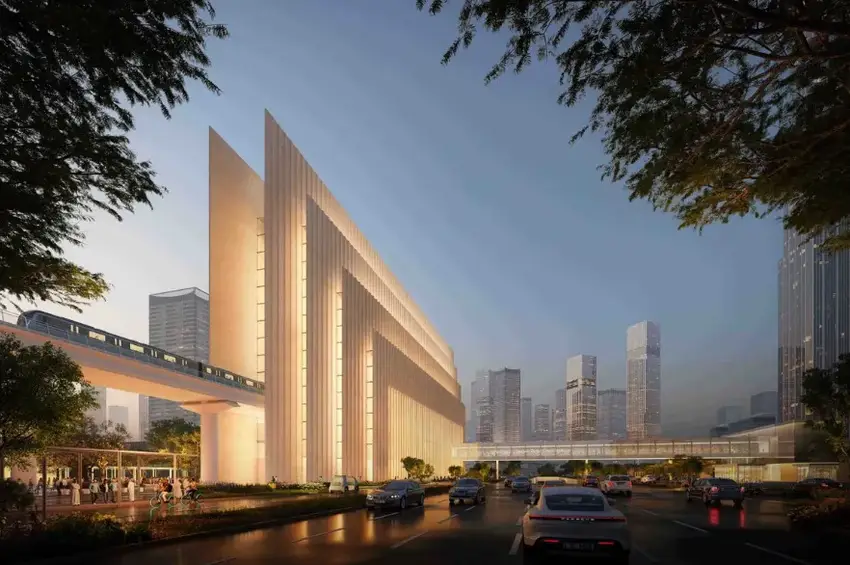
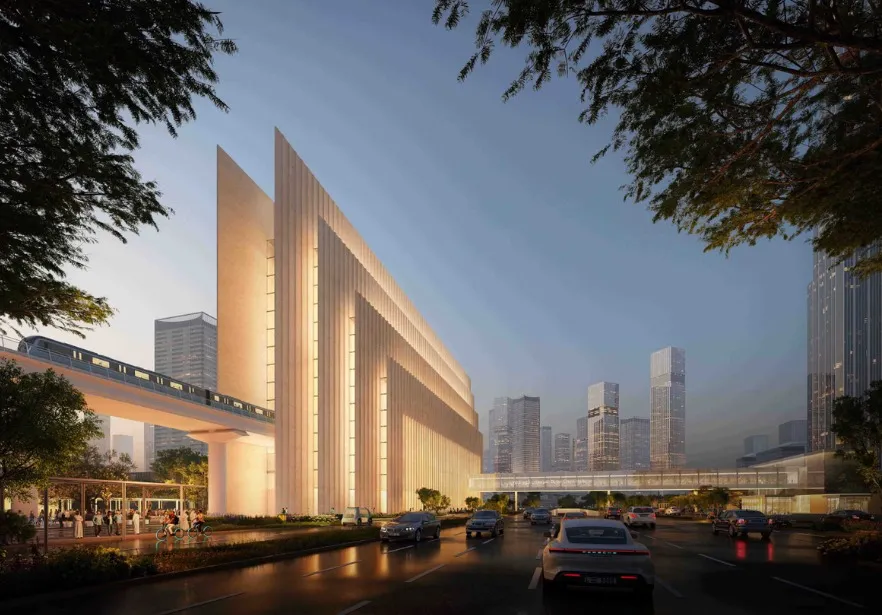
The RTA also revealed the landmark design of the Emaar Properties Station, which will rise 74 metres high, making it the tallest metro station in the world.
Designed by internationally renowned architectural firm Skidmore, Owings & Merrill, the creators of Burj Khalifa, the station combines luxury, openness and contemporary urban design.
Covering approximately 11,000 square metres, the station will feature soaring walls, natural textures and warm earthy tones intended to create an immersive and welcoming passenger experience. Light will play a central role in the design, reinforcing the station’s status as both a transportation hub and an architectural icon.
The station is expected to serve Dubai Creek Harbour, which is projected to house around 40,000 residents, with daily ridership expected to exceed 70,000 passengers by 2040. The facility itself is designed to handle up to 160,000 riders per day.
Nature-Inspired Station Designs
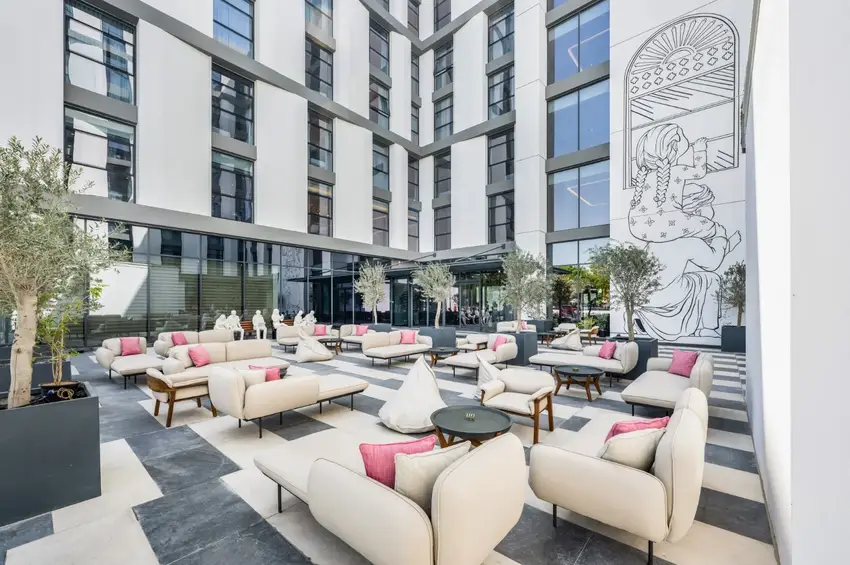
The remaining Blue Line stations will feature interiors inspired by the four elements of nature — air, water, earth and fire — creating unique travel experiences throughout the network.
Stations themed around air will symbolise ambition and upward movement through open layouts and abundant natural lighting. Water-inspired stations will pay tribute to Dubai’s maritime heritage with flowing forms and calming colour palettes.
Earth-themed stations will incorporate textured materials and earthy tones reflecting Dubai’s heritage and connection to nature, while fire-inspired stations will showcase vibrant colours and dramatic lighting to represent the city’s energy and dynamism.
Two Routes Connecting Emerging Communities
The Blue Line will extend across two major corridors covering a total of 30 kilometres.
The first route will begin at Creek Metro Station on the Green Line and pass through Dubai Festival City, Dubai Creek Harbour, Ras Al Khor Industrial Area, Dubai International City, Dubai Silicon Oasis and Dubai Academic City. This 21-kilometre stretch will include 10 stations.
The second route will start from Centrepoint Metro Station on the Red Line, travelling through Mirdif and Al Warqa’a before linking with the interchange station at International City 1. This route will span nine kilometres and include four stations.
The project will also include a new depot and train maintenance facility in Al Ruwayyah 3.
Faster Airport Access and Reduced Traffic
According to the RTA, the Blue Line will dramatically improve connectivity between residential districts, academic institutions and business hubs, particularly Dubai Silicon Oasis, one of Dubai’s leading technology and innovation centres.
Once operational, commuters will be able to travel from these communities to Dubai International Airport in approximately 20 minutes.
The authority also expects the line to reduce traffic congestion by up to 20 per cent along key corridors, reinforcing Dubai’s broader sustainability goals and encouraging increased use of public transport.